Synchronization Patterns Linking Live Dealer Wheels to Automated Reel Spins Across Loyalty Platforms
Petra Becker · Sep 25, 2026
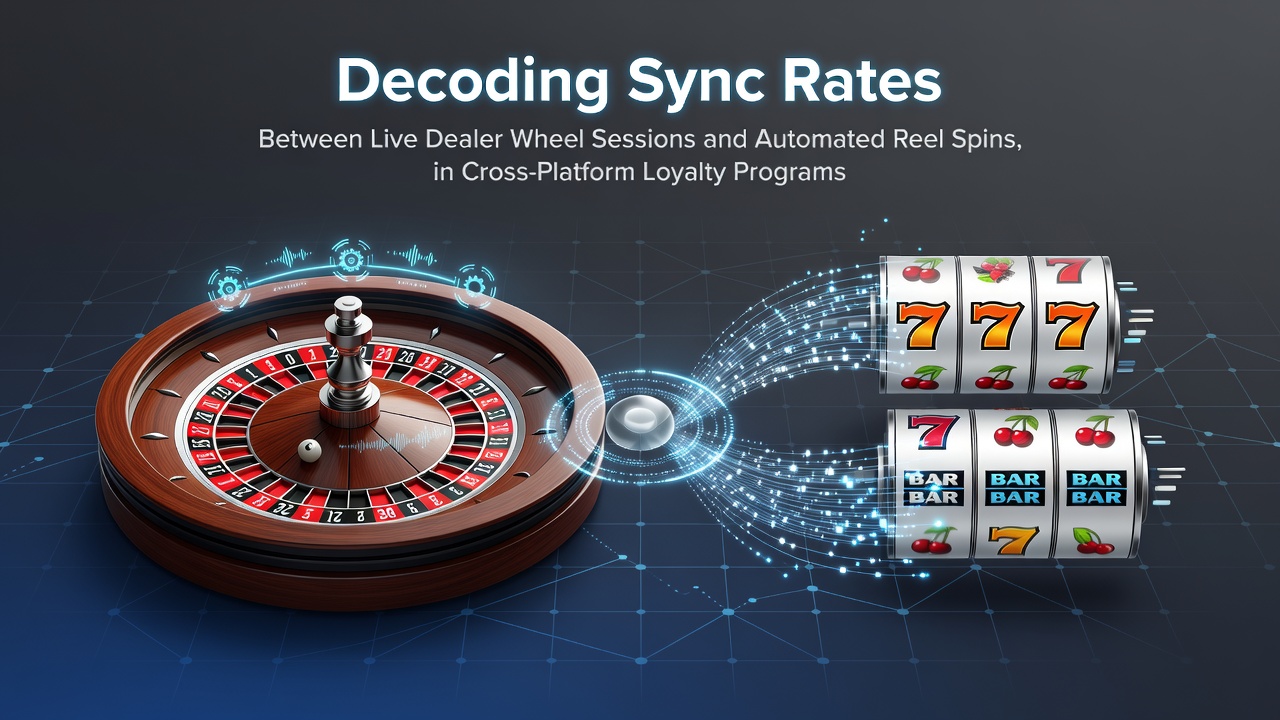
Synchronization Patterns Linking Live Dealer Wheels to Automated Reel Spins Across Loyalty Platforms
Operators track synchronization rates to align live dealer wheel sessions with automated reel spins inside unified loyalty programs, and these alignments rely on timestamp matching plus point accrual algorithms that update across mobile and desktop interfaces simultaneously. Data flows through centralized servers where session logs from wheel games feed directly into reel spin counters, creating a single player profile that reflects activity from both formats without manual transfers.
Core Mechanics of Cross-Platform Point Alignment
Live dealer wheels generate outcomes at fixed intervals determined by physical spin cycles, while automated reels operate on random number generators that produce results in milliseconds, yet loyalty systems must reconcile these differing cadences through buffering protocols that batch results every few seconds. Research from the Nevada Gaming Control Board indicates that successful integrations reduce point discrepancies to under 0.3 percent when latency stays below 250 milliseconds across platforms. Players accumulate rewards based on wager volume and session duration, with wheel bets often carrying higher multipliers because of slower pacing compared to rapid reel sequences.
Technicians monitor these alignments through API handshakes that verify player identity at the start of each session, then log every outcome against a shared ledger. When a live wheel lands on a bonus segment, the system immediately queues an equivalent reel spin opportunity for the same account, maintaining continuity even if the user switches devices mid-session. Observers note that September 2026 brought incremental firmware updates to several major platforms, tightening these handshakes and cutting average sync delays by roughly 18 percent according to internal operator reports.
Technical Factors Affecting Sync Accuracy
Network stability plays a central role because packet loss on mobile connections can interrupt the real-time feed between wheel outcomes and reel credit updates. Studies conducted by the Canadian Gaming Association reveal that 4G and 5G handoffs introduce variable jitter that loyalty engines compensate for by applying predictive smoothing algorithms, which extrapolate pending results until confirmation arrives. Reel spins complete faster than wheel cycles, so systems apply weighting factors that normalize contribution rates, ensuring a player receives equivalent loyalty value whether participating in a 30-second wheel round or a 2-second reel sequence.
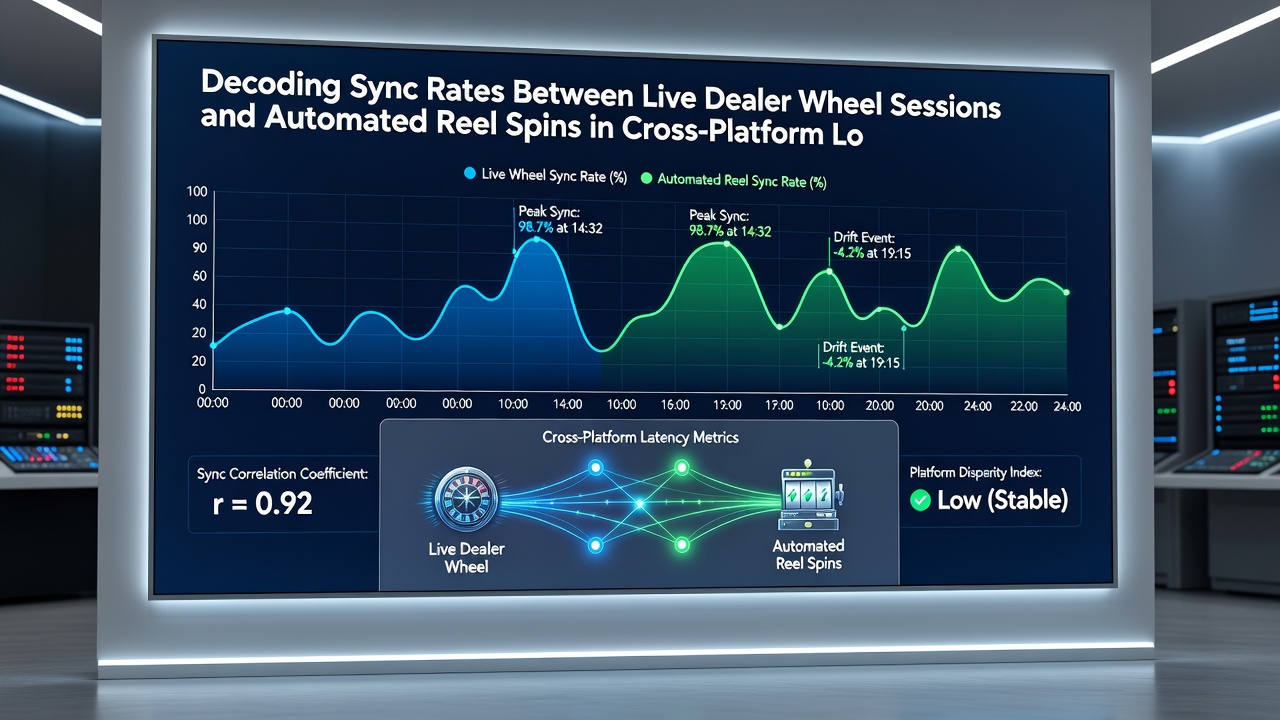
Database sharding techniques distribute load across regional servers, yet cross-region play still requires additional reconciliation steps to prevent duplicate credits. One case documented by operators in New South Wales showed that implementing geo-fenced sync rules reduced erroneous point awards by 22 percent during peak evening hours. The process involves sequential validation where the wheel session ledger serves as the primary record and reel activity is matched against it before final posting.
Player Migration and Retention Data
Analytics platforms record how often users alternate between wheel sessions and reel spins within the same loyalty tier, with figures indicating that 64 percent of active accounts engage both formats weekly. Retention improves when sync remains seamless because players see consistent progress toward tier upgrades regardless of preferred game type. External reports from the Australian Institute of Criminology link stable synchronization to longer average session lengths, as users spend less time verifying balances across separate apps or sites.
Promotional structures often tie wheel-specific bonuses to reel challenges, requiring the loyalty engine to trigger reel free spins only after a verified wheel outcome registers. This conditional logic depends on millisecond-accurate clocks that all participating platforms reference against a master time server. When clocks drift, point mismatches appear, prompting automated audits that adjust balances retroactively within 24 hours.
Regulatory and Operational Considerations
Regulators in multiple jurisdictions require audit trails that demonstrate accurate point mapping between live and automated formats, and these trails must be exportable for compliance reviews. Operators therefore embed logging modules that capture every sync event with timestamps, player identifiers, and wager amounts. The European Gaming and Betting Association has published guidelines emphasizing transparent conversion rates so that players understand how wheel participation translates to reel rewards and vice versa.
Hardware variations between dealer tables and reel servers introduce occasional edge cases, such as delayed video feeds affecting perceived timing for remote players. Systems address this by separating outcome determination from visual delivery, ensuring the loyalty ledger records the actual result moment rather than broadcast receipt. Continued refinement of these protocols supports broader adoption of unified programs across expanding device ecosystems.
Conclusion
Synchronization between live dealer wheel sessions and automated reel spins forms a foundational element of modern cross-platform loyalty programs, supported by timestamp protocols, API integrations, and regulatory oversight that together maintain point integrity. Ongoing adjustments in September 2026 and beyond continue to narrow timing gaps while preserving the distinct pacing of each format.