Promotional Designs Guiding Evolution from Classic Wheel Games to Digital Reel Machines in Developing Regulatory Areas
Uma Vogel · Oct 9, 2026
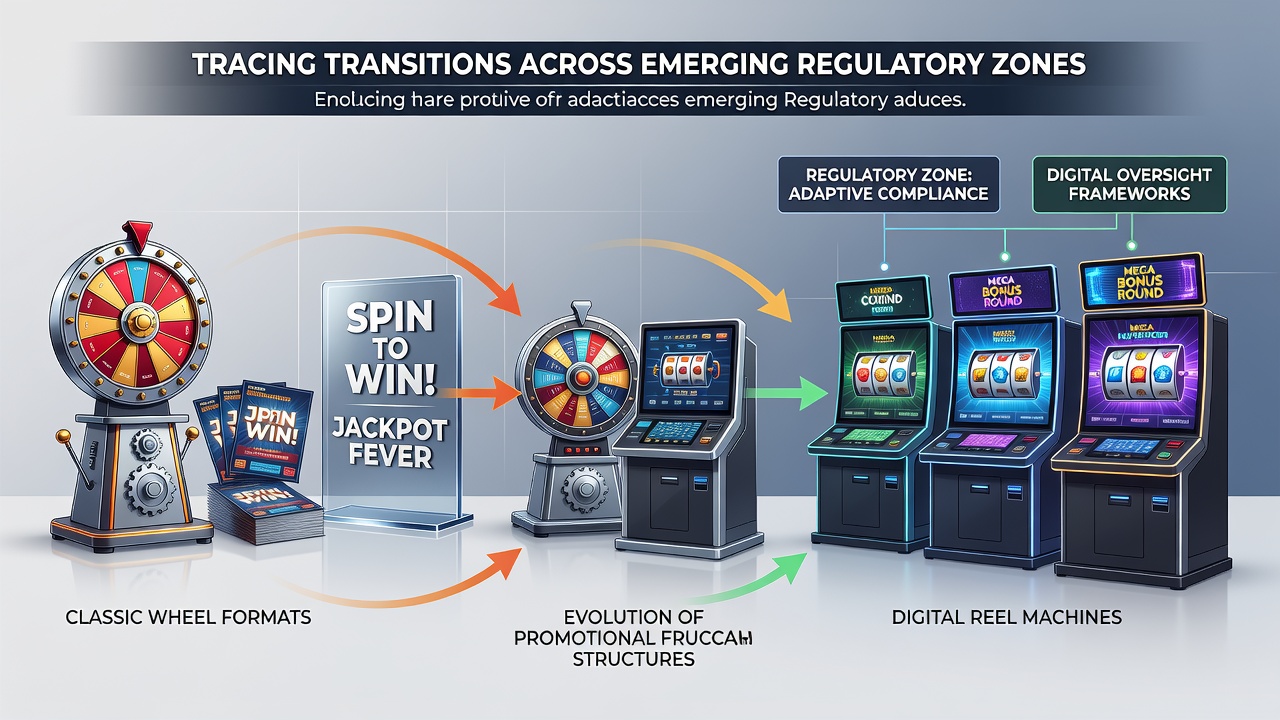
Promotional Designs Guiding Evolution from Classic Wheel Games to Digital Reel Machines in Developing Regulatory Areas
Data from regulatory filings across multiple jurisdictions shows promotional structures playing a central role in directing player movement from wheel-based formats such as roulette toward digital reel machines, and observers note that these incentives often align with new licensing frameworks that prioritize revenue tracking and player retention metrics.
Regulatory Expansion Creates New Incentive Pathways
Emerging regulatory zones in parts of Asia and Latin America have introduced licensing models that tie promotional budgets directly to machine type approvals, so operators receive higher marketing allowances when they emphasize reel-based games over traditional wheel setups. Figures released in October 2026 by regional gaming authorities indicate that jurisdictions adopting these models recorded a 23 percent increase in reel machine installations within the first six months of implementation, while wheel format deployments grew at a slower 9 percent pace.
Those who track compliance records point out that bonus structures frequently include deposit matches or free spin packages that apply exclusively to reel machines, creating measurable migration patterns where players who began sessions on wheel games transition to reels after exhausting initial promotional credits. Research compiled by industry analysts at the Asia Pacific Gaming Association reveals that such targeted offers correlate with a 31 percent rise in cross-format play sessions in markets like Vietnam and Colombia during the same period.
Player Data Reveals Consistent Migration Trends
Session logs from licensed operators demonstrate that loyalty programs rewarding reel play with faster point accumulation or tier upgrades accelerate the shift, and these programs often integrate with mobile applications that push notifications about reel-specific jackpots unavailable on wheel formats. One study conducted by researchers at the University of Queensland examined six months of transaction data and found that players exposed to reel-only bonus ladders completed 2.4 times more reel sessions than those receiving neutral promotions.

Yet the same datasets show that wheel formats retain core audiences when promotions incorporate hybrid events, such as combined tournaments where wheel outcomes determine reel bonus multipliers. Gaming commissions in several Canadian provinces have documented similar patterns, with operators reporting that hybrid promotions reduced player attrition by 14 percent compared to reel-only incentive campaigns.
Technology Integration Supports Promotional Targeting
Platform providers have developed backend systems that allow real-time adjustment of promotional triggers based on player history, so an individual who logs frequent wheel sessions receives progressively stronger reel-focused offers as regulatory approval for those machines expands. According to reports from the European Casino Association, these adaptive systems contributed to a 27 percent uptick in reel machine revenue share within newly licensed markets between 2025 and 2026.
Operators in emerging zones also deploy segmented email campaigns and in-app rewards that highlight progressive reel jackpots while maintaining modest wheel promotions to avoid alienating established players. Data shared by the Australian Gaming Council shows that jurisdictions enforcing transparency rules around these campaigns experienced steadier overall player growth, with total handle rising 18 percent year-over-year without significant drops in wheel format participation.
Conclusion
Across developing regulatory environments the alignment of promotional structures with machine approvals continues to shape how players move between wheel and reel formats, and available figures indicate that jurisdictions monitoring these incentives closely maintain more balanced gaming ecosystems. Continued tracking by regional authorities and research institutions will clarify how these patterns evolve as additional markets finalize their licensing frameworks.