Interconnected Reward Ecosystems Linking Variant Wheel Play and Reel Tournament Circuits on Handheld Devices
Noah Franke · Nov 6, 2026
Interconnected Reward Ecosystems Linking Variant Wheel Play and Reel Tournament Circuits on Handheld Devices
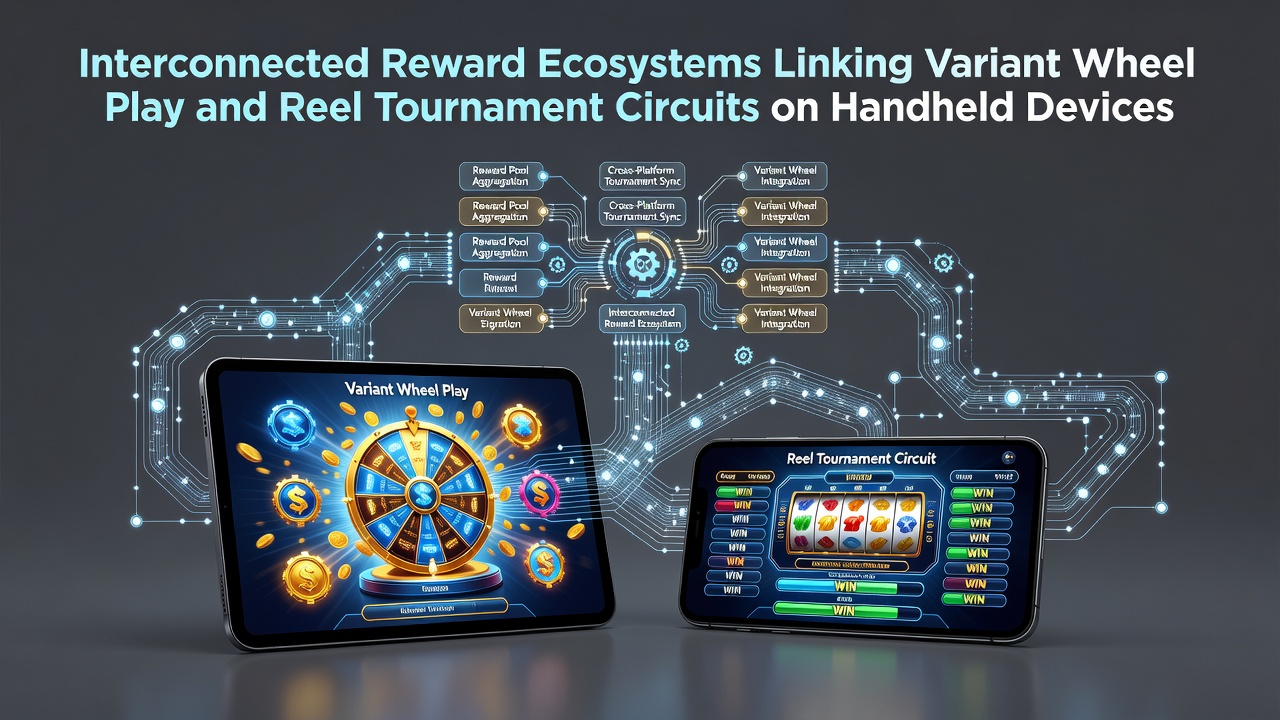
Handheld gaming platforms now feature reward ecosystems that connect variant wheel mechanics directly to reel tournament circuits through shared loyalty ledgers and cross-format progression systems. These structures allow players to accumulate unified points from both wheel spin sessions and reel match events while advancing through coordinated leaderboards that update in real time. Data from industry tracking services indicates that such linkages have expanded player session durations by integrating progress metrics across previously separate game categories.
Mechanics of Cross-Format Reward Integration
Developers have implemented API-driven bridges that transfer achievement data between wheel variant modules and reel competition frameworks on the same device operating systems. When a user completes a sequence of wheel color predictions or multiplier challenges the resulting tokens feed into reel tournament entry pools that adjust bracket seeding automatically. Observers note that this process relies on timestamped event logs which synchronize across cloud servers to prevent duplication while maintaining competitive integrity during peak evening hours in November 2026.
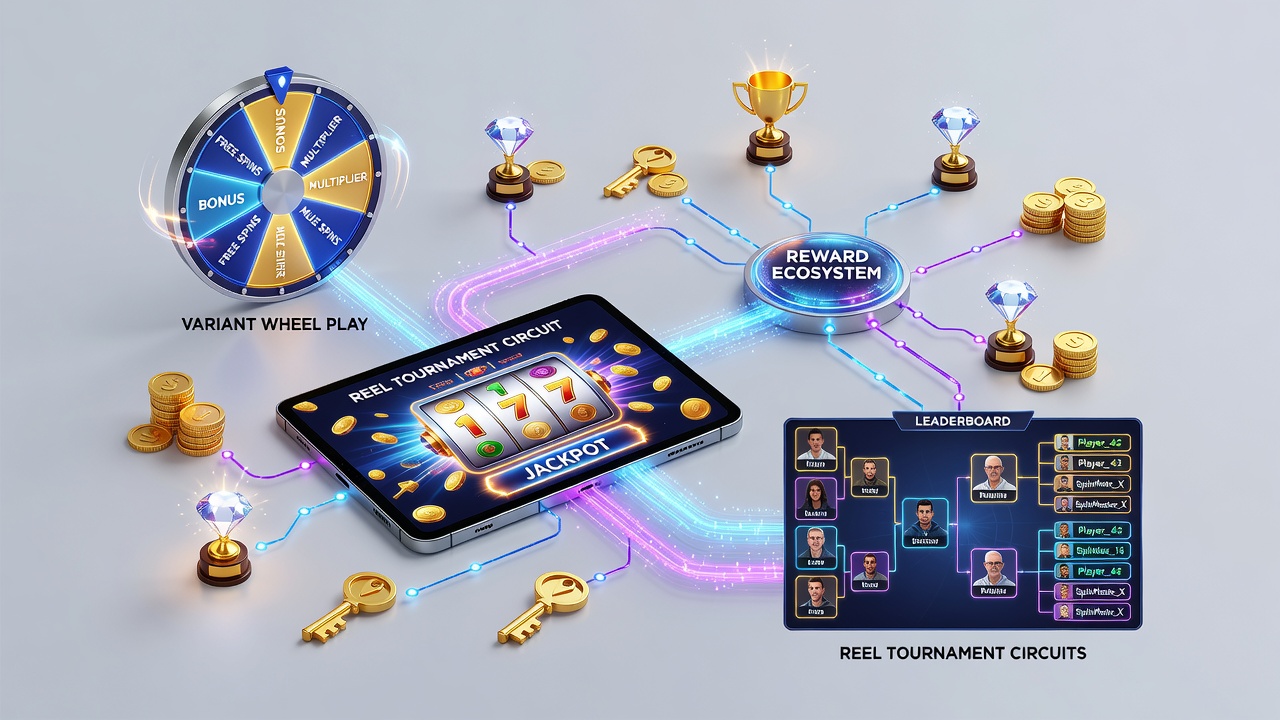
Variant wheel play often incorporates adjustable segment layouts that respond to accumulated reel tournament performance indicators creating feedback loops where high reel rankings unlock enhanced wheel payout structures. Reel circuits in turn pull from wheel-derived multipliers to modify spin velocity or symbol frequency during bracket stages. Researchers at academic gaming labs have documented how these reciprocal adjustments increase engagement metrics without altering base probability tables established by regulatory standards.
Player Migration and Session Patterns
Tracking studies reveal consistent movement between wheel variants and reel formats when unified rewards reach specific thresholds such as milestone badges or tier upgrades. Portable device users frequently shift from extended wheel sessions into shorter reel tournament bursts because the shared ecosystem credits progress across both formats simultaneously. This pattern appears most pronounced during promotional windows when handheld operators release limited-time fusion events that combine elements from each category into single challenge sequences.
Geographic data collected through regional gaming authorities shows higher adoption rates in markets with established mobile licensing frameworks including those overseen by iGaming Ontario and comparable bodies in Australia. Participants who engage both formats within the same ecosystem tend to maintain longer overall account activity periods compared with single-format users according to aggregated operator reports. The ball's in the developers' court to refine these connections further as device hardware capabilities advance through successive operating system releases.
Regulatory and Technical Considerations
Compliance requirements from multiple jurisdictions now address the unified nature of these reward ledgers requiring transparent audit trails that cover both wheel and reel components. Operators must demonstrate that point transfers do not influence random outcome generators in either game type while still allowing promotional structures to function across platforms. Technical standards published by European regulatory coalitions emphasize secure data partitioning that isolates financial transactions from gameplay progression elements.
November 2026 updates to handheld device security protocols have prompted several platform providers to enhance encryption layers around cross-format reward databases. These adjustments ensure that tournament bracket integrity remains intact when players alternate rapidly between wheel variants and reel circuits during live events. Industry organizations such as the American Gaming Association have published summaries outlining best practices for maintaining separation between reward mechanics and core game randomness.
Future Developments in Unified Ecosystems
Emerging frameworks propose deeper integration through blockchain-verified achievement records that persist across different operator environments yet remain compliant with local licensing rules. Pilot programs currently underway test whether reel tournament performance can directly modify wheel variant payout tables in controlled demonstration environments while preserving regulatory oversight. Those who've examined preliminary results report stable performance metrics and reduced player churn when such connections operate within defined parameters.
Additional research from university-affiliated centers continues to examine how these interconnected systems affect time-on-device statistics and cross-category participation rates. The reality is that continued expansion depends on consistent regulatory alignment across regions because fragmented rules could fragment the very reward linkages operators seek to establish. What's significant is the ongoing coordination between technical developers and oversight bodies to ensure sustainable growth in this segment of handheld gaming.
Conclusion
Interconnected reward ecosystems have established functional bridges between variant wheel play and reel tournament circuits on handheld devices through shared data structures and progression mechanics. These systems operate under increasing regulatory scrutiny that emphasizes transparency and separation of chance elements from promotional features. Continued technical refinements scheduled through late 2026 aim to strengthen these connections while preserving compliance across diverse licensing jurisdictions.